
How To Read Your Glucose Like A Longevity Expert

Reading glucose levels the right way can provide data on AMPK, cellular restoration and mitochondrial protection. Learn how to assess these numbers for longevity.
Are You Reading CGMS Right?
T he rise of continuous glucose monitors (CGMS) marks a significant shift in health optimization strategies. Traditionally reserved for diabetes management, these wearable sensors now provide real-time data for individuals seeking peak physical performance and long-term wellness. Analyzing blood sugar fluctuations offers a window into metabolic health, allowing for precise adjustments to diet, exercise and sleep patterns. Understanding the subtle nuances of glycemic variability helps identify specific triggers that influence energy levels or systemic inflammation. Experts view this technology as a cornerstone of preventative medicine because stable glucose levels correlate strongly with extended healthspan and reduced risk of chronic disease.
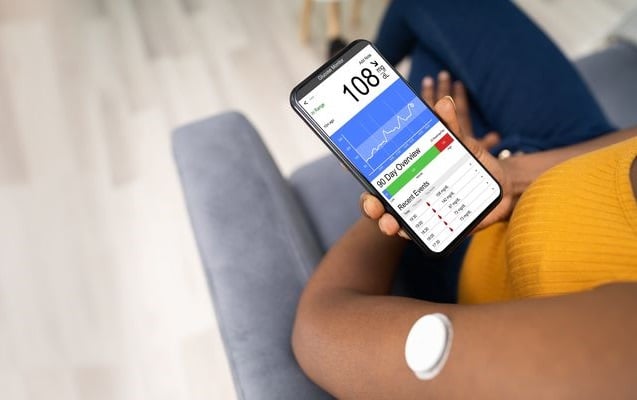
What glucose numbers really mean
Glucose levels reflect how efficiently the body converts food into usable energy. When glucose levels are significantly high, the body struggles to use excess sugar. Over time, the risk of diabetes and other chronic illnesses increases exponentially. Reading glucose levels is an ongoing process. A single fasting glucose value offers only a snapshot. Trends over time, however, tell a deeper story.
Data-driven longevity insights
CGMs provide a granular view of internal physiology that traditional blood tests often miss. By tracking blood sugar levels every few minutes, individuals observe exactly how specific foods, stress levels and physical activities impact metabolic stability. This immediate feedback loop identifies hidden spikes in seemingly healthy meals, helping mitigate the long-term cellular damage caused by glycation. Consistent monitoring also reveals patterns in fasting glucose and recovery times, offering a roadmap for maintaining insulin sensitivity over several decades. Leveraging these precise metrics enables customization of lifestyle habits that support stable energy and reduced biological aging.
Cellular energy regulation
Mitochondrial protection remains a primary focus in longevity science because these organelles serve as the cell's powerhouses. Efficient energy production depends heavily on the activation of adenosine monophosphate-activated protein kinase (AMPK), which acts as a metabolic master switch. High blood sugar levels and frequent glucose spikes suppress this essential enzyme, halting the production of new mitochondria and slowing the repair of damaged ones. When AMPK activity remains low, the body struggles to maintain metabolic flexibility and to support cellular cleanup processes such as mitophagy. Safeguarding mitochondrial health by maintaining stable glucose levels ensures that cells continue to generate energy efficiently while minimizing oxidative stress, which accelerates biological aging
Vital metabolic restoration
Metabolic aging often manifests through declining mitochondrial efficiency and rising systemic inflammation. As cells age, the ability to convert nutrients into energy diminishes, which frequently results in increased insulin resistance and elevated baseline glucose levels. This shift often leads to increased oxidative stress and the accumulation of advanced glycation end products, which damage vital tissues. To counteract these biological markers, prioritizing muscle mass retention through resistance training remains essential for maintaining glucose disposal sites. Additionally, incorporating strategic fasting periods and nutrient-dense diets helps activate cellular repair pathways, such as autophagy. Consistent movement combined with optimized sleep hygiene further supports hormonal balance and preserves metabolic flexibility throughout the lifespan.
Proactive disease prevention
Identifying metabolic trends early serves as a powerful shield against the development of chronic conditions. Recognizing persistent glucose elevations before reaching clinical thresholds for prediabetes allows for immediate intervention and lifestyle correction. This foresight helps prevent the onset of Type 2 diabetes (T2D, cardiovascular disease and neurodegenerative disorders linked to metabolic dysfunction. By stabilizing blood sugar today, individuals reduce the cumulative burden of inflammation on the vascular system and vital organs. Transitioning from reactive healthcare to a proactive monitoring model prevents minor physiological shifts from escalating into permanent health crises. Information gathered through consistent tracking empowers precise decision-making that secures a healthier future.
Glucose insights guide daily habits
Longevity experts and healthcare professionals use glucose levels as a marker to guide daily habits. This is practical feedback on how daily choices impact health. Reading glucose levels first thing in the morning and at specific intervals can reveal how much lifestyle matters. Sedentary behavior, stress, high-carbohydrate meals, and inconsistent eating patterns may lead to glucose spikes. CGMs data can interpret these patterns and help people make realistic lifestyle changes. People can then make changes in sleep patterns, exercise routines, diet, and stress. Glucose awareness turns everyday decisions into long-term health investments. For many, this may seem tedious, but in the long run, may be critical to health. Patients can save money on more complex treatments later. Best of all, the information acquired from glucose checks means something and is data to optimize health and wellness.
The future of healthspan optimization
CGMs are transitioning from diagnostic tools to essential components of sophisticated longevity protocols. By providing a continuous stream of metabolic data, these devices enable glycemic stability, a primary driver of biological youthfulness. Minimizing glucose variability reduces the rate of telomere shortening and protects against age-related declines in organ function. As precision medicine evolves, integrating real-time sugar tracking allows for the creation of highly individualized strategies that target specific aging mechanisms. This technological integration ensures that metabolic health remains optimized, effectively extending the period of life spent in vibrant physical and cognitive health.