
CGM For The Non-Diabetic: Using Blood Sugar Data To Hack Your Afternoon Slump

Using a CGM without diabetes? Learn how blood sugar patterns may explain the afternoon slump and how small changes can support better energy.
Why Does The Afternoon Crash Hit?
T he mid-afternoon slump often shows up like clockwork. Energy dips, focus drops, and even simple tasks start to feel harder. The cause is not always obvious, but blood sugar swings can play a bigger role than expected. A lunch high in refined carbs can push glucose levels up quickly, followed by a drop that leaves the body feeling drained. Without real data, the pattern can go unnoticed and get blamed on stress, sleep, or just a long day.
What a CGM actually shows
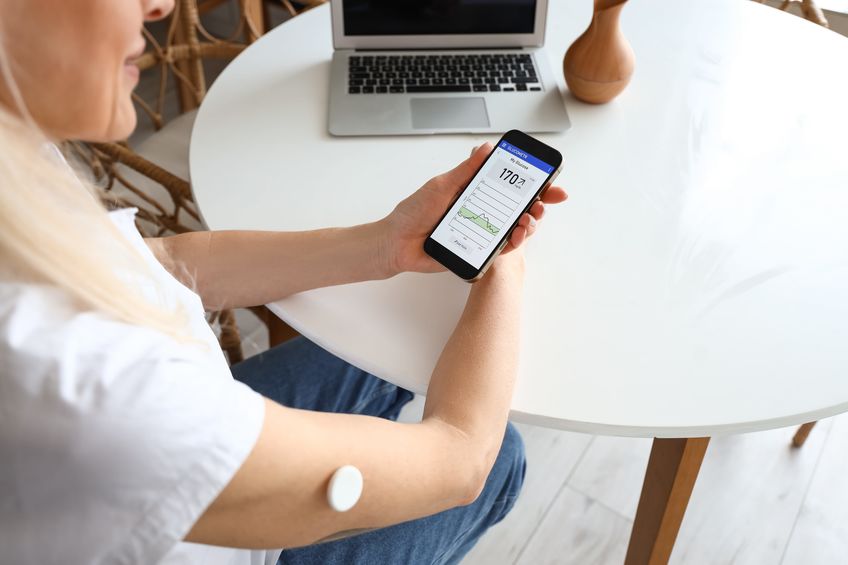
A continuous glucose monitor (CGM) tracks blood sugar levels in real time, offering an accurate look at how the body responds to food, stress, and daily habits. Instead of guessing what might be causing a crash, patterns start to show up on the screen. A spike after lunch followed by a sharp drop can line up almost perfectly with that afternoon fatigue. Seeing the patterns removes the guesswork and allows users to connect specific behaviors to how energy feels later in the day.
The spike and crash pattern
High-carb meals can trigger a fast rise in blood sugar, especially when protein or fat is lacking. The rise is often followed by a drop as insulin works to bring levels back down. In some cases, the drop can feel just as noticeable as the spike, leading to brain fog, irritability, or the urge to snack again. The cycle can repeat throughout the day, creating a loop that feels like low energy but is actually tied to how glucose levels are fluctuating.
How food shapes energy
Meal composition can have a direct impact on how steady energy feels after eating. Pairing carbohydrates with protein, fiber, and fat can slow how quickly glucose enters the bloodstream. Meals built around balanced combinations tend to lead to smaller rises and fewer sharp drops. A well-balanced lunch can make a noticeable difference in how the rest of the afternoon feels, even without changing portion size.
The power of a short walk
Light movement after eating can change how the body handles glucose. A short walk, even 10 minutes, can help bring levels down more gradually instead of letting levels spike and crash. Muscles use glucose for energy during movement, which reduces the load on insulin and smooths out the curve. Over time, walking after a meal can help prevent the steep drops that lead to afternoon fatigue.
Hidden triggers that show up
Food is not the only factor that affects blood sugar. Stress can push levels higher, even without eating, and poor sleep can make responses more unpredictable the next day. Caffeine can also cause a rise in some people, especially when consumed on an empty stomach. A CGM can highlight patterns in a way that is hard to notice otherwise, making spotting what is driving unexpected changes easier.
When data becomes too much
Access to constant data can be helpful, but can also lead to overanalyzing normal fluctuations. Not every spike or dip needs to be corrected, and chasing perfect numbers can create unnecessary stress. CGM readings are most useful for spotting trends rather than reacting to every change. Keeping the focus on patterns instead of individual data points can make the experience more useful and less overwhelming.
A smarter way to manage energy
Using a CGM as a non-diabetic is less about strict control and more about awareness. Small adjustments based on real patterns can lead to more stable energy throughout the day. A more balanced lunch, a short walk, or better sleep can all show up in the data and in how the body feels. Over time, the feedback loop can help turn a predictable afternoon slump into something far more manageable.