
Cold Plunge vs Infrared Sauna: Choosing Your Temperature Biohack

Temperature therapy is the latest biohack. Learn whether cold plunge or sauna is best for health and wellness.
Thinking About Temperature Biohacking?
T emperature therapy, particularly cold plunge and infrared saunas, has exploded in popularity. Now, most people can find cold plunge tubs and infrared saunas in gyms, wellness centers, and even home setups. The health benefits of temperature therapy are legitimate and backed by research. Each technique, however, works through opposite mechanisms. Individuals considering temperature therapy for any health and fitness routine should know how each works. Whether through extreme cold stress or deep heat penetration, discover the benefits and who will benefit the most.
The power of cold
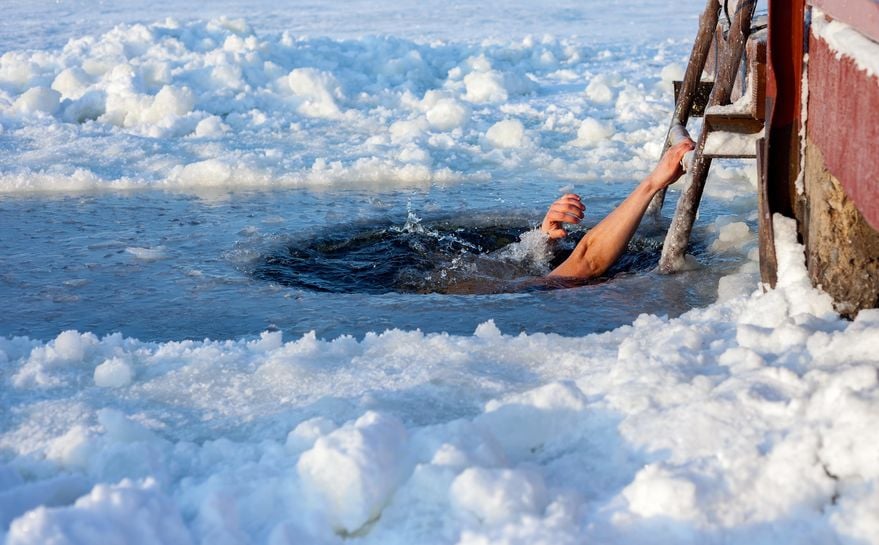
Cold plunging involves fully immersing in a pool or tub of water between 45-55°F for 2-10 minutes. The extreme cold shocks the system and triggers immediate physiological responses. Blood vessels constrict, heart rate increases temporarily, stress hormones spike, then normalize, and the nervous system activates intensely. This short burst of acute stress is actually a good thing. Cold plunging builds stress resilience, boosts inflammation management, optimizes hormones, and improves metabolic function.
Let's get hot
Saunas have been around for centuries in different forms across the world. The benefits brought the rise of infrared saunas’ temperature-controlled spaces to get optimal heat. Infrared saunas use invisible light wavelengths that penetrate deeper than traditional saunas' surface heat. This difference warms the body from within at lower ambient temperatures than higher traditional saunas. With infrared saunas, blood vessels dilate, improving circulation, and sweating increases for detoxification. The heart rate gradually elevates to similar levels as moderate exercise while muscles relax from deep heat penetration. The experience is gentler than traditional saunas but with similar benefits and deeper tissue penetration.
Recovery and performance benefits
Cold plunging is amazing for quick recovery after intense workouts. The vasoconstriction reduces inflammation and muscle soreness. A cold plunge is often recommended for high-performance athletes to recover between training sessions. Studies show cold immersion within hours of exercise reduces delayed onset muscle soreness (DOMS) and perceived fatigue. While cold plunging is effective, timing matters. For recovery without compromising gains, wait several hours after strength training before plunging. Infrared saunas, on the other hand, support recovery through different mechanisms. Deep heat increases blood flow, delivering oxygen and nutrients to damaged tissues while removing metabolic waste. Muscle relaxation from heat reduces tension and soreness. Unlike cold plunging, an infrared sauna does not interfere with training adaptations and can be used post-workout.
Cardiovascular and metabolic benefits
Both modalities improve cardiovascular health through mild, gentle stress on the body. The body is designed to adapt to small, controlled challenges like cold plunging and infrared saunas. Cold exposure forces the cardiovascular system to adapt through vasoconstriction and increased cardiac output. Regular cold plunging may improve cold tolerance, enhance mitochondrial function, and support healthy inflammation regulation. Infrared saunas create cardiovascular benefits by mimicking moderate exercise. Consistent use increases heart rate, blood flow, and even improves endothelial function. Studies show regular sauna use reduces cardiovascular disease risk and all-cause mortality.
Kicking your stress
Cold plunging creates intense mental challenges requiring controlled breathing and a calm mindset during discomfort. This practice builds stress resilience, translating to daily life. People who consistently cold plunge feel that life and work stress is more manageable. The post-plunge dopamine and endorphin rush creates euphoric feelings and improved mood lasting hours. Initial research reveals that regular cold exposure may reduce symptoms of depression and anxiety. Infrared saunas promote relaxation through parasympathetic nervous system activation. The gentle warmth reduces cortisol levels and creates a meditative environment conducive to stress reduction. While less intense than a cold plunge, this consistent relaxation may better suit those seeking gentle stress management.
Which should you choose?
Cold plunge is ideal for those who have intense workouts or are high-performance athletes. The goal is to achieve acute recovery and inflammation reduction after intense exercise. Cold plunging also appeals to individuals who enjoy challenging experiences that build mental toughness. Infrared saunas appeal to those who prefer gentler wellness practices. These individuals need relief from chronic pain or muscle tension and want cardiovascular benefits without intense cold exposure. Many wellness enthusiasts use both, with some biohackers alternating between cold and hot in short sessions. This contrast therapy leverages both unique benefits. There is no wrong choice. Consider cost, accessibility, and lifestyle, then choose the best option for improved health and wellness.