
Mastering Breathwork: The Most Underutilized Tool In Your Wellness Tool Kit

Breathwork can feel simple but often goes overlooked. Breathing patterns can influence stress, focus, and how the body resets.
Why Does Breathing Get Overlooked?
A utomatic patterns like breathing often go unnoticed because the body runs on autopilot. Stress, busy routines, and constant stimulation can alter breathing patterns without much notice. Shallow, quick breaths often become the default, especially during tense moments. The pattern can keep the body in a more reactive state longer than needed. Slowing down and focusing on breathwork can help positively change the pattern.
What happens during stress
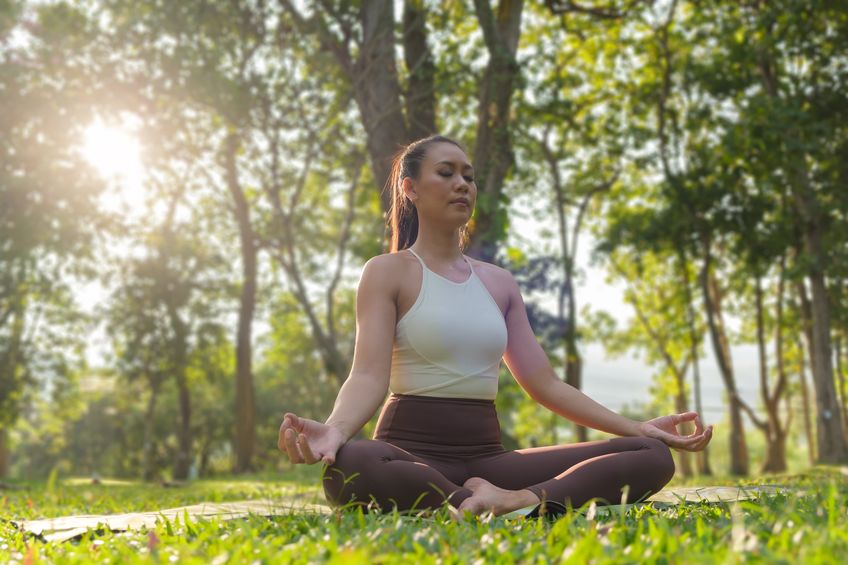
Breathing patterns connect closely with how the body responds to stress. Slower, deeper breathing can help lower heart rate and reduce physical tension. Faster, shallow breathing tends to signal urgency, even when no immediate threat is present. Changing the rhythm of breathing can help move the body out of a heightened state and into a calmer mode.
Why results feel immediate
Breathwork stands apart from other wellness practices because breathwork works in real time. No equipment, setup, or long routine is required. A few minutes of focused breathing can change how the body feels almost immediately. The immediacy is part of what makes breathwork easy to overlook, but also easy to use.
Simple techniques to try
A few structured patterns can make breathwork easier to follow. Box breathing uses equal counts for inhaling, holding, exhaling, and holding again, which can help steady the rhythm. The 4-7-8 pattern slows breathing down even further and is often used to help with sleep. Diaphragmatic breathing focuses on expanding the belly instead of the chest, which can help deepen each breath. Different patterns can feel more natural depending on the situation.
Moments that need a reset
Breathwork can be used in moments that tend to feel overwhelming. Stressful conversations, long days, or difficulty winding down at night are all common times when breathing patterns are affected. Bringing attention back to the breath in certain stressful moments can help interrupt the cycle and create a pause before reacting.
How to build the habit
Breathwork does not need to be complicated to be effective. A few minutes in the morning, during a break, or before bed can be enough to build the habit. Pairing breathwork with something already part of a daily routine, like sitting down with coffee or getting ready for sleep, can make the practice easier to stick with.
Why consistency matters
Breathwork tends to feel more natural with repetition. Practicing during calm moments can make patterns easier to return to during stressful ones. Over time, the body can respond more quickly to slower breathing without needing to think through each step. Even a few minutes each day can help build a better response.
A better way to reset
Breathwork does not require special equipment or long routines, which can make the practice easy to overlook. Despite the simplicity, breathing patterns can influence how the body responds throughout the day. Small changes in breathing can change how stress feels in the moment and how the body resets afterward.