
Mitochondrial Recharge: 5 Science-Backed Ways To Power Your Cells

Mitochondrial health affects energy and metabolism. Learn simple, science-backed ways to support cellular energy, recovery, and daily performance.
What Powers Cellular Energy?
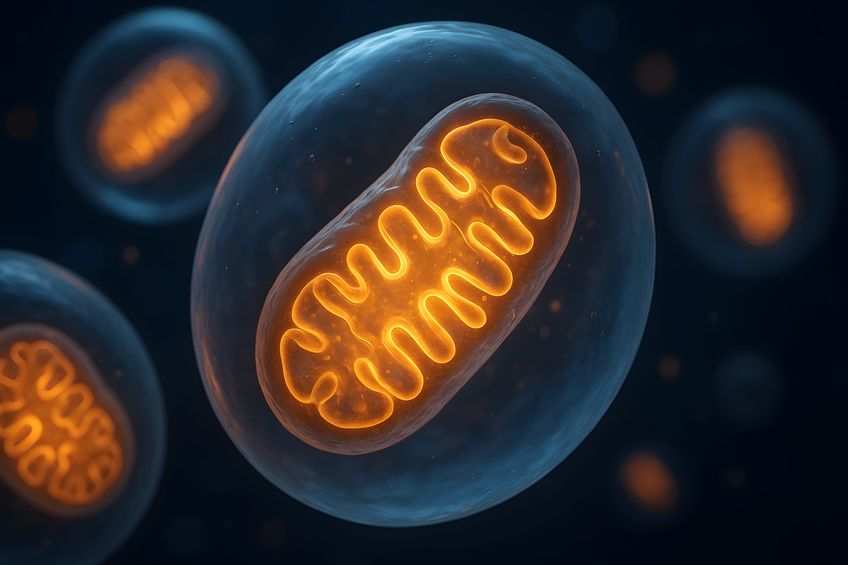
M itochondria DNA (mtDNA) act as the engines inside cells, turning nutrients into usable energy. When function slows, fatigue, brain fog, and slower recovery can follow. Supporting mitochondrial health can improve how energy is produced and used throughout the body. Daily habits play a major role in how well the cellular systems perform over time.
1. Movement drives energy output
Exercise is an effective way to support mitochondrial function. Both high-intensity intervals and consistent endurance training can increase the number and efficiency of mitochondria in muscle cells. Short bursts of effort followed by recovery can push adaptation, while longer sessions build endurance over time. Regular movement can help improve energy levels beyond the workout itself.
2. Fasting supports cellular cleanup
Periods without food can trigger internal cleanup processes that remove damaged cellular components. The process allows healthier mtDNA to take over and function more efficiently. Time-restricted eating patterns can offer a structured way to introduce the effect without extreme restriction. Even modest fasting windows can support metabolic flexibility when done consistently.
3. Nutrients fuel the system
Mitochondria rely on certain nutrients to produce energy efficiently. B vitamins, healthy fats, and antioxidant-rich foods can support the process. Foods such as leafy greens, berries, green tea, and turmeric can help protect cells from oxidative stress created during energy production. A nutrient-dense approach to eating can help maintain steady energy throughout the day.
4. Targeted support options
Certain supplements can support mitochondrial function by aiding energy production pathways. Coenzyme Q10 (CoQ10) plays a role in cellular energy transfer, while pyrroloquinoline quinone (PQQ) is associated with mitochondrial growth. Acetyl-L-carnitine (ALCAR) helps transport fuel into cells, and nicotinamide adenine dinucleotide (NAD+) precursors are linked to cellular repair processes. Supplement use should be guided by individual needs and professional input.
5. Sleep restores energy systems
Rest plays a central role in cellular repair. Mitochondrial maintenance and recovery occur during deeper sleep cycles. Poor sleep can disrupt the repair processes and lead to reduced energy output over time. Consistent sleep patterns can help support recovery, focus, and overall metabolic function.
Stress drains the system
Chronic stress can increase oxidative damage and place strain on cellular function. Elevated stress levels can interfere with energy production and recovery. Stress management practices such as light movement, time outdoors, or quiet routines can help reduce this burden. Even small shifts in daily stress load can support better energy balance.
Building energy over time
Mitochondrial health responds to consistent habits rather than quick fixes. Small changes in movement, nutrition, sleep, and stress can build over time to support more stable energy. Daily routines that support recovery and fuel use can help maintain steady output throughout the day. A consistent approach can help improve how the body produces and uses energy without relying on short-term boosts.